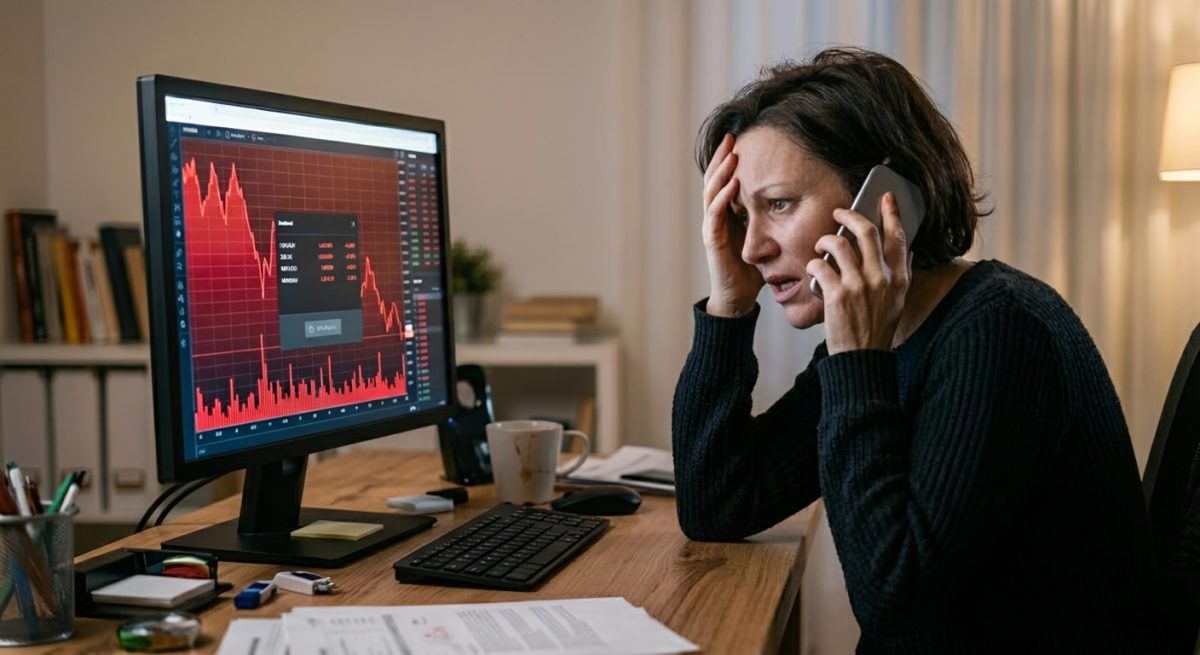
If you are concerned about a trading platform you have deposited with — whether you are still in contact with them or they have already gone silent — Verihound’s investigation team can review your case and give you a clear, honest assessment of what the evidence shows.
We analyse platform conduct, document transaction patterns, and prepare structured intelligence documentation that supports your case through the correct channels — regulators, legal representatives, and formal dispute procedures.
What To Do If You Suspect You Have Been Defrauded
If the warning signs above describe your situation, the following steps should be taken as quickly as possible. Speed matters because evidence windows close, and because fraudulent platforms sometimes liquidate or rebrand when they anticipate scrutiny.
Stop Sending Money Immediately
This requires stating plainly, because the pressure to send additional funds can be significant: no further deposit will change the outcome of what you have already sent. There is no tax payment, compliance fee, or insurance charge that will unlock your withdrawal. Every additional payment increases your total loss. Do not send more money under any circumstances, regardless of what the platform tells you.
Preserve All Evidence
Before doing anything else, document everything you can access. This includes:
- Screenshots of your account dashboard, showing balances, transactions, and results
- All written communications — emails, chat logs, WhatsApp or Telegram message histories
- Any documents the platform has sent you: account agreements, promotional materials, invoices for fees
- Records of every payment you made: bank transfer confirmations, card statements, cryptocurrency transaction receipts
- The platform’s website URL, any phone numbers or email addresses used, and the name of your account manager
These records are the evidentiary foundation of any formal complaint or investigation. They should be preserved before taking any other action, because platforms sometimes become inaccessible quickly.
Consider a Professional Investigation Assessment
If your loss is significant, a professional assessment of your case may be appropriate before deciding how to proceed. A structured investigation can establish what happened to your funds, map where they moved, and produce documentation that strengthens your position with regulators, legal representatives, or in a formal dispute with the platform itself.
Verihound’s Trading Platform Fraud Analysis service is specifically designed for this situation — analysing platform conduct, mapping transaction flows, and preparing documentation to support your case through the correct channels. Our assessment begins with a free case review, and we will give you a realistic picture of what the evidence shows and what options remain open. There are no guaranteed outcomes in these cases — but there are structured, documented steps that improve your position, and we can help you take them.
Not Sure Where to Start? VeriHound Can Help.
Whether your case involves a crypto platform, a trading or investment scheme, an unauthorised bank transfer, or a disputed card payment — VeriHound’s European investigation team offers a free initial case evaluation with no commitment required. We will give you an honest assessment of your situation and outline what a structured investigation could realistically achieve. Submit your case for a free review →
How to Verify a Trading Platform Before You Deposit
Taking thirty minutes to verify a platform before depositing can determine whether you are dealing with a regulated firm or a constructed fraud. These are the checks that matter.
1. Confirm the regulator has real enforcement power
Search for the regulator the platform claims to be supervised by and look for its enforcement history — suspensions, fines, licence revocations. A regulator with no enforcement record is not supervising anyone.
2. Search the platform on warning lists
Most serious regulators publish a public list of firms flagged as unauthorised or suspected fraudulent. Search the platform name there first. If it appears, the question is answered.
3. Verify the company’s legal existence independently
Search the company registration number in the corporate registry of the country it claims to be incorporated in. Confirm the address is a real business premises, not a virtual office, and check when it was incorporated.
4. Check what fees and conditions apply before you deposit
A legitimate broker documents its fees, spreads, and withdrawal conditions at onboarding. If a platform is vague about costs before you deposit but specific about conditions when you try to withdraw, that asymmetry is deliberate.
5. Search for victim reports on independent sources
Search the platform name alongside terms like “complaint”, “withdrawal problem”, and “scam” on sources unconnected to the platform. Fraudulent operations accumulate victim reports long before any official action follows.
6. Test withdrawals before committing significant funds
A legitimate broker processes a small withdrawal without conditions or delays. A platform that obstructs a minor withdrawal will obstruct a large one.
None of these checks is exceptional. They describe the minimum standard for any firm handling client funds. If a platform cannot meet them, that is informative.
Frequently Asked Questions
How do I check if a trading platform is genuinely regulated?
The verification steps are covered in detail in the section above. The short answer: check whether the regulator the platform claims to be supervised by has a real enforcement history, search the platform name on official warning lists, and look for victim reports on independent sources. No single check is conclusive — the combination gives you a realistic picture.
The platform is asking me to pay a tax or fee before I can withdraw. Is this legitimate?
No legitimate broker requires clients to pay taxes, insurance charges, or compliance fees as a condition of withdrawing their own funds. This is one of the most common obstruction tactics used by fraudulent platforms, and the fee will not result in a successful withdrawal. It is an attempt to extract additional money from you. Do not pay it.
I have already sent a significant amount. Is there any point in acting at this stage?
Yes — but where you direct your efforts matters enormously. In most trading fraud cases, general law enforcement does not have the technical capacity to investigate platform conduct, trace transaction flows, or act within the timeframes that matter. The most consequential step is consulting someone who actually understands how these operations work — how funds moved, what documentation exists, and what options remain open given the specifics of your case. That picture looks different for every victim and cannot be assessed accurately without examining the actual evidence. Acting late is not the same as acting pointlessly. But acting in the right direction is what determines whether anything can be done.
Should I wait to see if the withdrawal issue resolves itself?
No. Time is a significant factor in these cases. Evidence needs to be preserved, and fraudulent platforms sometimes become inaccessible quickly once they sense scrutiny. Acting on your doubts now — even if that action is simply documenting what you have and consulting a professional — is the correct response. Waiting costs options.
Can I get my money back?
This depends on how you paid, when you paid, which institutions received the funds, and which jurisdictions are involved. There is no honest general answer more specific than that. A professional assessment of your specific situation is the only reliable way to understand what options remain open.